EVReliable EV Charging

Installation

Can my electrical panel support EV charging?

How to think about panel capacity, load management, and when an electrician needs to evaluate your home before Level 2 charging.

The practical answer

Panel capacity is not just the number printed on the main breaker. The real question is whether the home has enough spare load after major appliances, HVAC, and existing circuits are considered. A licensed electrician can calculate this properly, and a load-managed charger can sometimes avoid a costly panel upgrade.

Decision path

  • Find your main service size, but treat it as an early clue, not the final answer.
  • List major electric loads such as HVAC, dryer, range, water heater, pool equipment, and existing subpanels.
  • Decide whether your driving pattern needs 48 amps, or whether 24 to 32 amps would cover daily miles.
  • Ask about load management before assuming a panel upgrade is the only path.

Product path

These are scenario-based product paths, not a generic best-of dump. Confirm connector, circuit, installation type, and safety requirements before buying.

Product path · Amazon search

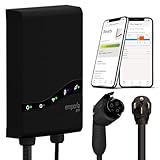
Emporia Pro or Classic with Vue monitoring

Best for: panel-constrained homes that need dynamic load management

It can reduce charging output when the house is already drawing heavily.

Installation is more involved and belongs in the panel conversation with a pro.

Check current options

Common questions

Can a 100 amp panel support EV charging?

Sometimes, but it depends on the rest of the home's loads and the charging amperage. A lower-amp circuit or load-managed charger may work where a 48 amp setup would not.

Does every EV charger require a panel upgrade?

No. Many homes can use a lower-amp Level 2 circuit, an existing safe 240V outlet, or load management. The right answer depends on the house.

Related next steps